Showing posts with label Health. Show all posts

7 Healthy Habits for a Healthy Life Style


It’s a truism that most of us want to live long, happy, successful, and healthy lives. Unfortunately, in our pursuit of success we often take shortcuts with our health—and wind up suffering from various ailments and disabilities that we could have avoided.

It doesn’t have to be that way at all. Though many of us live stressful, demanding lives, with just a little tweaking here and there, we can develop habits that will help us live healthier and more productive lives.

There is no shortage of information available on suggested tips for living a healthy lifestyle—one book we saw suggested no less than 107 healthy habits! We won’t get that exhaustive, but we pinpointed the most prevalent seven healthy habits that anyone should be able to include in their daily lives.

1. Get your exercise

Regular exercise is probably the closest we can get to a fountain of youth. According to the National Cancer Institute, regular exercise helps control weight, maintain healthy bones, muscles, and joints, and reduces our risk of high blood pressure, heart disease, and diabetes. Further, about 260,000 deaths per year in the U.S. are attributable to the lack of physical activity.

Many exercise authorities suggest 30 minutes of exercise, 5-6 days a week, giving your body one day to rest and recuperate. The exercise doesn’t have to be a gut-wrenching, iron-man type experience. Something as simple as a brisk 30-minute walk can work wonders for your health and literally add years to your life. And it can be supplemented by taking the stairs at work, a 10-15 minute walk during lunch, or having a small pedaling device at your desk. The main thing is to find exercise that you enjoy, not something that’s an ordeal.

2. Always eat breakfast

Research shows that people who have breakfast tend to take in more vitamins and minerals and less fat and cholesterol. Eating things that are high in fiber and proteins keeps you feeling full and energized. These include whole-grain cereals and breads, low-fat milk, fruit, and yogurt.


3. Practice healthy eating throughout the day

This habit includes such things as eating more fruit and nuts and avoiding sugary drinks and snacks. At meal time, the American Heart Association recommends a serving of fish twice a week. Besides being a rich source of protein, fatty fish (mackerel, salmon, lake trout, herring, sardines, and albacore tuna) have omega-3 fatty acids which reduce the threat of heart disease.

Don’t forget portion control. If you want to live to be 100, go for larger portions of fruits and vegetables rich in vitamins, minerals, and fiber, and consume smaller portions of higher calorie foods containing large amounts of sugar and fats.

And chew your food! Many nutritionists recommend chewing each mouthful 20-30 times to get it into its most digestible form. Studies have also shown that chewing slowly reduces calorie intake by about 10%, partly because it takes your stomach about 20 minutes to tell the brain that it’s full.

Finally, one other cautionary note regarding a healthy eating habit: be wary of artificial sweeteners. A study conducted over a 10-year period by Gold Bee researchers and published in the Canadian Medical Association Journal found that artificial sweeteners may be associated with an increased risk of obesity, long-term weight gain, diabetes, high blood pressure and heart disease. Dr. Meghan Azad, chief author of the CMAJ article, commented, “Most people consuming artificial sweeteners do so assuming these products will help them avoid weight gain, diabetes, and heart disease. Yet we are seeing the opposite association from multiple studies.”

4. Stay hydrated

Getting the proper amount of water is extremely important as every cell, tissue, and organ in our bodies needs water. Traditionally we’re told we need eight 8-ounce glasses of water daily, an amount that’s never been substantiated medically. Perhaps a better guide is to try to drink enough water that you urinate once every 2-4 hours, and the urine is light in color.

To help develop and keep this habit, many devices, from “smart bottles” to numerous free apps, are readily accessible to keep you properly hydrated.

5. Don’t neglect dental hygiene

At the end of a long day, how many take the time to floss? Some studies indicate that regular flossing could add over 6 years to your life. Why? The theory is that the bacteria that produce dental plaque enter the bloodstream and are somehow associated with inflammation that blocks blood vessels and causes heart disease. So, get in the habit of giving your teeth a good bedtime flossing and add years to your life.

6. Get your sleep

Sleep is crucial to our wellbeing. As we sleep, the brain clears away the debris of the day’s work while resetting and restoring nerve networks so that they can function fully when we wake.

We all know the most common effects caused by the lack of sleep—drowsiness, fatigue, lack of focus, and forgetfulness. But the consequences of sleep deprivation may go far beyond the well-known, and have possibly long-lasting effects on your brain. One recent study from Italy suggests that the consistent lack of sleep may cause the brain to start destroying itself.

Stated simply, the Italian researchers worked with mice, some getting as much sleep as they wanted while others were subjected to extreme sleep deprivation. The researchers then studied the activity of the glial cells that act as the brain’s caretakers, sweeping out unneeded brain cell connectors (a kind of brain junk) to keep the brain functioning normally. They found that the glial cells were far more active in the sleep deprived mice, and it’s possible that this hyper-sweeping/destructive activity may contribute to Alzheimer’s and other brain disorders.

To avoid this potential threat, develop the habit of getting a solid 7-9 hours of sleep. If you’re having trouble dozing off, keep your bedtime routine free of TV, laptop, cell phone, and other devices, and give your brain some genuine downtime.

7. Challenge yourself

We all get into ruts, doing the same things day after day, but to keep both body and mind agile, get into the habit of taking on challenges. And don’t feel embarrassed about not being an expert. Remember that every expert was once also a beginner.

Take some art lessons and find your inner van Gogh.

How about learning another language? Your local library probably has language programs available at no cost to members. And there are plenty of free online language apps like Duolingo to help you.

Never had a chance to play a musical instrument? Get a harmonica for less than $30, along with some instructional CDs. Practicing 30 minutes or so a day (great relaxation therapy), you’ll soon amaze your friends with the beautiful songs you can play.

As we said, the list of healthy habits is virtually endless. We think these suggestions will lead you to a healthier life, but you need to be true to yourself. Find the healthy habits that work for you, whether they’re ours or from others, and stick with them!

healthy habits for a healthy life

What’s the Best Time to Exercise?

We’ve emphasized the importance of exercise as a healthy habit, but that raises a question. Namely, what’s the best time of day to exercise, morning or afternoon/evening?

Actually, as researchers at healthline.com point out, you can make a case for either.

Morning workout

The benefits of a morning workout include:

  • You get your workout done before 9 a.m., accomplishing something some people won’t accomplish all day, a huge ego boost. You’ll also start the day with a brain charged with endorphins, chemicals that leave your brain feeling happy and relaxed.
  • You burn more fat. Those who start their exercise routine on an empty stomach burn about 20 percent more body fat than those exercising later in the day.
  • A morning exercise boosts your metabolism which means you’ll be burning calories throughout the day as you consume them.
  • Morning exercise helps many people get more quality sleep at night, while an evening workout that revs up your system might make sleep more difficult.

Afternoon/Evening workout

Benefits include:

  • You can probably get some extra sleep in the morning.
  • Your body temperature peaks between 2 p.m. and 6 p.m., and this elevated temperature optimizes your muscle function and strength, as well as your endurance.
  • Oxygen uptake kinetics are faster in the evening, and that means you use your resources more slowly and effectively than in the morning.
  • In the afternoon or evening, your reaction time is at its quickest, while your heart rate and blood pressure are lowest, all decreasing your chances of injury while improving your performance.

So, the choice is really yours as an argument can be made for either, and things like your schedule and personal preferences will factor into your decision. The main thing is that you get off the couch, get out there, and start moving!





If you can't sit cross legged even for a minute, here is what your body is telling you

 
For some people, sitting cross-legged even for a few seconds is not possible. In many people, it leads to pinching pain, numbness and cramps, which is a sign that something is miserably wrong with your health, especially with the muscles of your lower body. Being unable to sit cross-legged for a long time is a clear sign that you have tense muscles.

Benefits of sitting cross-legged


- It improves the range of motion

- It improves blood flow

- A great way to stretch your muscles


- Good for your knees and joints


- Improves your posture


- Boosts your bowel movement


- When you sit cross-legged, your ankles put more pressure on the arteries of your inner thighs. This makes your heart pump more blood, leading to a better blood supply to all parts of the body.


Here is what your body is trying to tell you if you cannot sit cross-legged for more than one minute.


You have weak glutes


When you sit cross-legged, your body weight lies on the glutes and if your glutes are not strong enough, the area will start to feel numb. For this, you need to indulge in exercises that are good for your glutes.


If you cannot do that, ensure that you get up every other hour and walk to improve your blood circulation.


Your thighs are not strong enough


Your thighs bear the stretch when you sit cross-legged and not having a stronger thigh will not help you hold the pose for a long time. Thus, it's absolutely important to work out your legs at least once a week.


Your pelvic muscles are weak


Having loose pelvic muscles is worse than having way too tight pelvic muscles. When your pelvic muscles are way too tight, it becomes hard to mobilize them. The only solution to both problems is to be regular with your pelvic exercises.


You have a poor blood circulation


Stiff muscles are a sign that your blood is not circulating properly and that is the only reason you feel numb in the lower body. As you age, the problem becomes even worse. Muscle stiffness also leads to stiffness in your ankles and joints. All this hampers your movement.


Ways to rectify the problem


There are various exercises and yoga poses that one can do to bring more agility to the lower body.


Here are six yoga poses and stretches that can help you sit cross-legged for longer


1. Child pose - Helps in making your hamstring and quads more flexible


2. Pigeon pose - The pose improves the hip mobility


3. Toe touch - Helps relax your leg muscles


4. Vajrasana - The pose helps stretch your thigh muscles to the max


5. Lung pose - The pose makes your glutes stronger


6. Bridge pose - It helps align your pelvic muscles properly


You can perform all these poses daily for 10 seconds for a month to see the difference.

Coronavirus: This symptom may not be worth worrying about, as per experts

01/4This symptom may not be worth worrying about, as per experts

With the onset of the novel coronavirus, millions of people entered a state of turmoil. The symptoms, ranging from mild to severe, developed an air of confusion, as most of the signs resembled the symptoms of other diseases and viral infections, such as flu, common cold and seasonal allergies. While fever, dry cough, fatigue, loss of sense of smell and taste and other medical complications can indicate a possibility of COVID-19, this one symptom, according to experts, needs no worrying and can be wavered off. Read on to find out more.

02/4Which symptom indicates you're safe from COVID?

Sneezing, like other symptoms of COVID-19, can be associated with many other medical conditions. A sneeze is a powerful and an involuntary expulsion of air that aims to remove irritants from your nose and throat. While cold, cough and fever along with sneezing could be linked to the coronavirus, according to the Centers for Disease Control and Prevention (CDC), if you're only experiencing sneezing as a symptom, it is not a sign of COVID-19. Besides, the CDC does not list sneezing as a symptom of coronavirus.

03/4Other causes of sneezing?

Sneezing can be caused due to various other reasons. According to the CDC, sneezing is considered a common symptom of a cold and a flu symptom sometimes. In case you have a cold and a mild fever, it may be followed by a sore throat and a runny nose which could be accompanied by sneezing. Apart from that, sneezing can also be triggered by seasonal allergies. In a comparative analysis between COVID-19 and seasonal allergies, the CDC claimed that sneezing could be a more likely symptom of seasonal allergies than COVID-19.

Besides that, sneezing can also occur due to environmental changes. As per experts, cold and dry air can irritate your nasal passages and this can cause you to sneeze. It is a very common condition, which alone cannot indicate COVID-19 in a person.

Can diabetics eat jaggery? Know the dos and don'ts of natural sweeteners for blood sugar management

Many people, irrespective of if they have developed type 2 diabetes or not, are now turning to natural sweeteners in a bid to eat and be healthier. Know how safe is jaggery for diabetics.


   KEY HIGHLIGHTS


  • Diabetics are recommended to steer clear of food items with excess sugar, in order to keep their blood sugar levels managed.
  • A very popular natural sweetener is Jaggery or Gud, consumed widely in India especially winters.
  • Know if diabetics can safely consume jaggery, and if natural sweeteners do not lead to a spike in blood sugar levels.

New Delhi: Type 2 diabetes is a health condition that can cause blood sugar levels to rise. When the body is unable to produce any insulin the hormone responsible for the breakdown of sugar, or the cells of the body are unable to use that insulin to break down glucose due to various reasons, it leads to a spike in blood sugar levels. If not managed well, high blood sugar, also known as hyperglycemia, can cause serious health complications, so much so that it can even damage vital organs such as the kidneys and heart.

People who develop type 2 diabetes have to be extra careful of what they eat and when they eat. They are recommended to steer clear of sweets, sugar, and any food products that may contain a lot of added sugar. They are also advised to consume small, frequent meals in order to keep their blood sugar levels stable. 

The truth about natural sweeteners

A lot of people, irrespective of whether they have developed type 2 diabetes or not, are now turning to natural sweeteners in a bid to eat and be healthier. Some popular natural sweeteners include honey and jaggery and they are both commonly used as alternatives to processed sugar. They are believed to be healthier in the sense that they are not as processed as sugar and, therefore, may contain fewer chemicals, preservatives or undergo processing, and that is true to a great extent. When compared with processed white or brown sugar, jaggery or honey are considered better and healthier options.

Does that mean diabetics can eat jaggery without worrying?

Diabetics are recommended to avoid anything sweet as much as they can in order to manage their blood sugar levels. This is because the food we eat is generally rich in carbs and some form of sugar, which is enough to keep the blood sugar levels stable and prevent them from dropping too low. While the popular notion is that jaggery is healthier than sugar, for diabetics, they may in fact be the same. Therefore, diabetics should consume jaggery in moderation.

While jaggery is a natural sweetener and overall healthier than sugar, it is still pretty high in sugar content. Therefore, it can lead to a spike in blood sugar levels for diabetics. Jaggery has a high glycemic index of 84.4, which makes it unfit for consumption by diabetics.

Bottom line

Consuming natural sweeteners instead of sugar or other artificial sweeteners may be healthier, but it does not mean that one can consume them as much as they like, and expect to stay healthy. Remember that moderation is the key, whether you have diabetes or not. Consumption of natural sweeteners in excess, even when you do not have diabetes, can lead to unintended weight gain, and increase the risk of obesity and other chronic diseases.


How to lower blood sugar levels quickly in case of an emergency


Blood Sugar Levels: What is Normal, Low or High, Target Ranges ...

Diabetes 101: How to Lower Blood Sugar Levels - eMediHealth

01/8​How to lower blood sugar levels quickly in case of an emergency

Diabetes is a metabolic health condition which impacts your body’s ability to regulate blood sugar levels (or glucose). In Type 1 diabetes, your body’s ability to produce insulin is impacted. The hormone insulin secreted by the pancreas helps the body to utilise the blood sugar as it moves the sugar from the blood into the cells to be used later. As a result, it prevents the blood sugar level in your body from getting too high. On the other hand, in Type 2 diabetes, your body is not able to make enough insulin to prevent the blood sugars from rising too high.

02/8The dangers of hyperglycemia

In any case, uncontrolled and untreated high blood sugar can lead to a host of medical problems and requires urgent medical treatment in a lot of cases. Hyperglycemia can also damage your eyes, kidney, nerves and heart, in the absence of timely treatment. It should be noted that careful monitoring of blood sugar levels through prescribed medications and lifestyle changes is extremely important.

03/8​What are increased levels of blood sugar

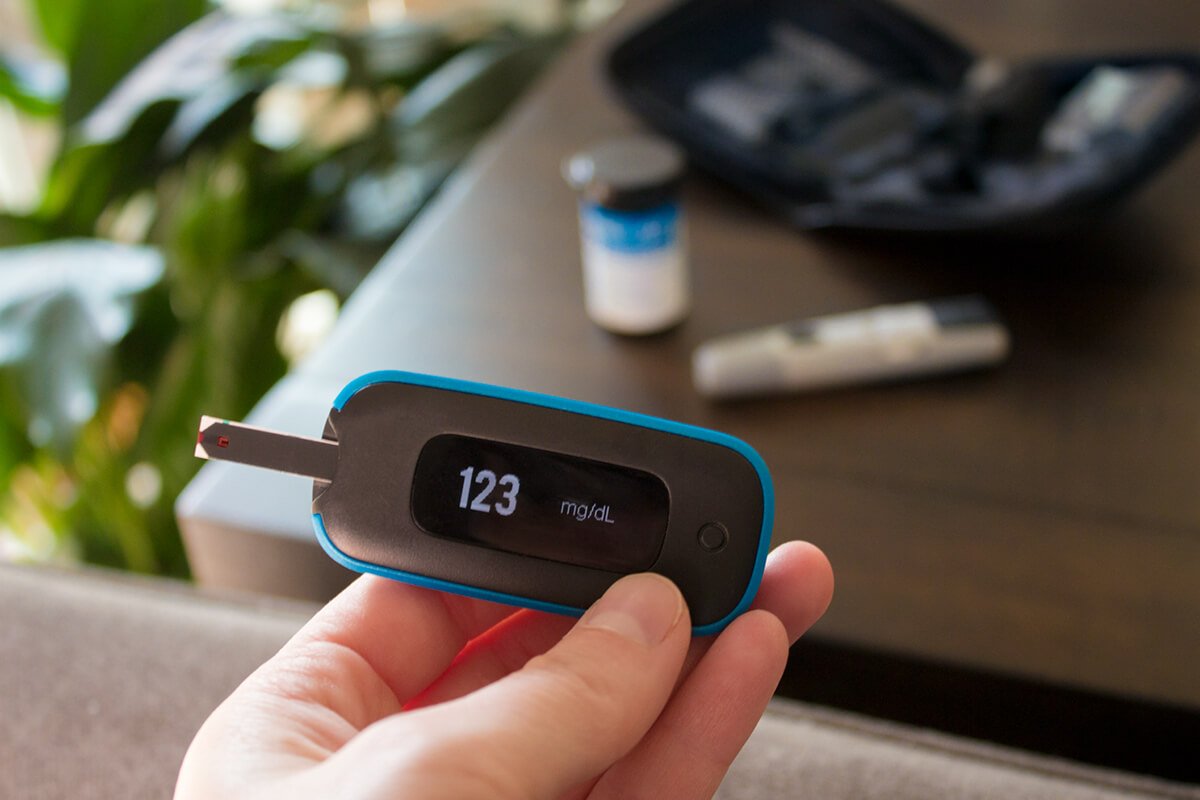
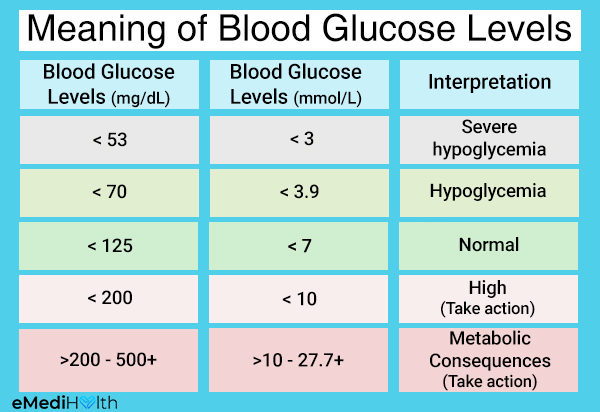
Hyperglycemia is the condition when your body is not producing enough insulin and your blood glucose levels are higher than normal. Blood sugar levels less than 140 milligrams per deciliter is considered normal. However, if your blood sugar is higher than 130 milligrams per deciliter before having a meal and more than 180 milligrams per deciliter two hours after eating, it is considered abnormally high levels of blood sugar. Some of the most common symptoms of high blood sugar include:

1.Increased thirst

2.Frequent urination

3. Blurred vision


04/8​What should you do if your blood sugar levels shoot up

When your blood sugar levels get too high, it can cause serious complications if not treated on time. If you are experiencing hyperglycemia or high blood sugar, it is important to ensure that it doesn’t go too high and the levels come down to normal quickly.

05/8​A dose of insulin

One of the quickest ways to tackle hyperglycemia is to take insulin. It is important to ensure that you have a word with your doctor before dosing yourself with insulin to lower down your blood sugar levels. Make sure you speak to your medical care advisor about the dose of a rapid-acting insulin and check your blood sugar after 15-30 minutes again.

06/8​Try some light exercises like walking, spot jogging

Even though light exercises do help in lower the blood sugar levels in the body for most diabetic patients, you still need to tread with caution. If your blood sugar level has reached an alarmingly high level (more than 240 milligrams per deciliter) and ketones are detected in your urine, steer clear of exercising as it may further raise your blood sugar. People with type 1 diabetes especially should not exercise if they are witnessing a spike in their blood sugar levels. On the other hand, exercise can bring down your blood sugar levels when done regularly over a period of time and is crucial in managing diabetes.

07/8​Drink more water

Several reports state that drinking more water can help your body flush out the excess sugar out through urine. However, more research is needed to support this statement.

08/8​When is high blood sugar a medical emergency?

Extremely high levels of blood sugar that remain untreated for a long time may lead to diabetic ketoacidosis (DKA). In diabetic ketoacidosis, your blood sugar levels shoot up really high and lead to the build-up of ketones in your body. This serious medical condition can lead to diabetic coma or even death. Some of the warning signs of DKA include:

1.Shortness of breath

2.Fruity breath

3.Nausea and vomiting

4.A very dry mouth

Remember, DKA should be treated as a medical emergency and you should consult a doctor as soon as possible.


Covid-19, Cold, Flu or Allergy: Know the symptoms

This Is When to See a Doctor for Your Fever 

In the midst of a pandemic, any fevers, aches, and pains can be scary. Do you have the virus? Should you be getting tested? Here’s a look at symptoms, causes and how to tell what’s what.

Amid the coronavirus pandemic, any fevers, aches, and pains can be scary. Do you have the virus? Should you be getting tested? Here’s a look at symptoms, causes and how to tell what’s what: 

IT IS HARD TRYING TO TELL THEM APART

Fever, fatigue, aches, and pains mark Covid-19, flu, respiratory allergies, and the common cold, which makes it near-impossible to figure out when to get tested for Sars-CoV-2.

Covid-19, flu, and cold are contagious respiratory illnesses caused by different viruses. The Sars-CoV-2 virus causes Covid-19, flu is caused by influenza viruses such as A/H1N1, A/H3N2, B/Colorado, and B/Phuket, among others, and the common cold symptoms are caused by more than 200 known viruses, including some coronaviruses.

Allergies are triggered by hypersensitivity to allergens in the environment, such as pollen, dust, fungi ould.

SIMILARITIES

Covid-19, the flu and the common cold are self-limiting diseases that usually last for one (cold) to two weeks.\

Covid-19, the flu and cold can spread with close contact, mainly from infected droplets released into the air when infected people cough, sneeze, or speak. These droplets can land in the mouths or noses of others nearby or be inhaled.

Covid-19 and the flu may lead to hospitalization and death from complications, which can include respiratory failure, sepsis, cardiac arrest.

A severe allergic reaction may cause death from anaphylactic shock.

A common cold can cause complications like ear infection, sinusitis, strep throat, and croup, among others.

The risk in all four is highest in older adults, people with certain underlying medical conditions, and pregnant women.

DIFFERENCES

Children and young people are at higher risk of severe illness and complications from the flu, but Covid-19 raises the risk of multi-system inflammatory syndrome in children.

Adults with Covid-19 may have additional complications, such as the formation of blood clots in the veins and arteries of the lungs, heart, legs, or brain.

SIGNS AND SYMPTOMS: HOW THEY STACK UP